
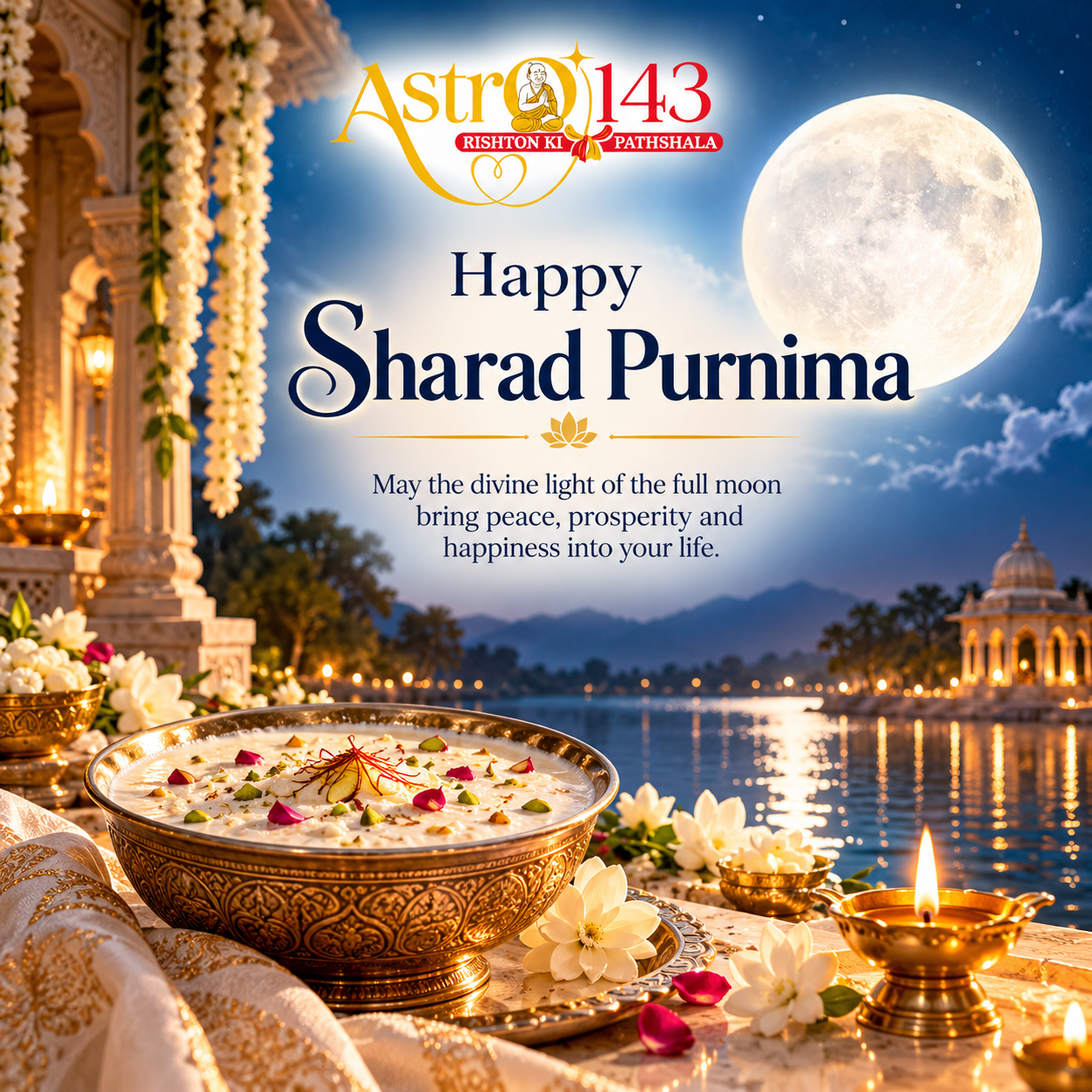
Sharad Purnima 2026: Significance, Puja Vidhi, Vrat and Rudraksha
Sharad Purnima is an important Hindu festival celebrated on the full moon night of the Ashwin month. The festival holds special meaning for devotees who worship Goddess Lakshmi, remember the divine pastimes of Lord Krishna and follow traditional moonlight rituals.
Also known in different regions as Kojagari Purnima, Kojagiri Purnima or Raas Purnima, this occasion brings together prayer, devotion, family traditions and the beauty of the autumn full moon.
One of the most familiar customs is preparing kheer and placing it under the moonlight as part of a traditional offering. Many families also perform puja, observe a fast according to their customs and spend time in prayer.
Sharad Purnima can also be an opportunity to reflect on your spiritual routine. Some devotees use prayer beads or Rudraksha while chanting mantras or meditating. These practices are personal and tradition-dependent; no particular bead is compulsory for celebrating this festival.
When Is Sharad Purnima in 2026?
Sharad Purnima's main moonlit observance in 2026 falls on Sunday, October 25, 2026. The Purnima tithi continues into the morning of October 26. Exact tithi and puja timings depend on the city and the Panchang followed by your family.
Sharad Purnima is observed according to the Hindu lunar calendar, so its Gregorian date changes each year. If you plan to perform a specific puja or follow a vrat, check a reliable local Panchang for the appropriate timing.
What Is the Significance of Sharad Purnima?
Sharad Purnima marks the full moon during the autumn season. In Hindu tradition, the full moon is associated with completeness, devotion and auspicious observances. For many devotees, the night is an opportunity to pause from everyday activities, offer prayers and spend time with family.
1. Devotion to Goddess Lakshmi
In traditions associated with Kojagari Purnima, devotees worship Goddess Lakshmi, who is revered as the goddess of prosperity and abundance. Some families perform Lakshmi puja at night and remain awake for a period of prayer.
The name “Kojagari” is commonly connected with the traditional phrase “Ko jagarti?”, meaning “Who is awake?” The observance is associated with the belief that Goddess Lakshmi blesses those who remain awake in devotion. Customs vary between regions and families.
2. Connection With Lord Krishna and Maha Raas
Sharad Purnima is also connected with Lord Krishna's Maha Raas in the devotional traditions of Braj. Devotees remember the divine Raas Leela described in the Bhagavata Purana and celebrate the night through bhajans, devotional music, temple programmes and prayer.
3. The Traditional Importance of Moonlight
In popular Hindu belief, the Sharad Purnima moon is considered especially auspicious. Traditional stories associate its light with purity, nourishment and nectar-like qualities. These are religious and cultural beliefs rather than scientifically established health effects of moonlight.

Why Is Kheer Kept Under the Moonlight on Sharad Purnima?
Preparing kheer is one of the best-known Sharad Purnima traditions. Families prepare this sweet dish using ingredients such as milk, rice, sugar and cardamom. Some add nuts or other ingredients according to their family recipe.
Traditionally, the kheer is placed under the moonlight as an offering or as part of a household ritual. It may later be shared as prasad among family members.
The custom is connected with the popular belief that the moonlight on Sharad Purnima carries special, nectar-like qualities. The ritual's details vary, and it is best understood as a traditional devotional practice rather than a proven way to change the nutritional or medicinal properties of food.
For practical food safety, keep dairy-based kheer covered and chilled when appropriate. Avoid leaving it outdoors at unsafe temperatures for a prolonged period, particularly where insects, dust or animals may reach it.
Sharad Purnima Puja Vidhi at Home
The exact method of puja varies by region, family tradition and the deity being worshipped. The following is a simple general guide. If you follow a particular vrat or temple tradition, use the instructions from that tradition.
Step 1: Clean the Puja Area
Clean the area where you plan to pray. Arrange a clean cloth, a diya, flowers, incense if used in your tradition, water and the items required for your chosen puja.
Step 2: Prepare for the Observance
Bathe and wear clean clothes if that is part of your practice. Prepare the offerings you intend to use, such as fruit, sweets or homemade kheer. Keep the puja area calm and organised.
Step 3: Worship Goddess Lakshmi or Your Chosen Deity
If you observe Kojagari Lakshmi Puja, place an image or murti of Goddess Lakshmi in the puja area. Offer flowers, light a diya and recite prayers or mantras familiar to your family. Devotees who follow Krishna traditions may focus on Lord Krishna through bhajans, reading devotional texts or offering prayers.
Step 4: Offer Kheer or Other Prasad
Prepare kheer or another suitable offering according to your family tradition. Offer it respectfully during the puja. If you place kheer under the moonlight, keep it covered and handle it safely before sharing it.
Step 5: Pray Under the Full Moon
If practical, spend some quiet time viewing the moon from a safe and comfortable place. You may offer a prayer, chant a mantra or reflect on gratitude and spiritual goals.
Step 6: Complete the Puja According to Your Tradition
Conclude with an aarti, prayer or other customary practice. Share the prasad with family members if appropriate. If you are observing a vrat, follow the food and timing rules of your own tradition.
If you prefer organised spiritual services, explore online puja services at Astro143.
Sharad Purnima Vrat: Common Traditions
Some devotees observe a fast on Sharad Purnima, while others focus on night-time puja, offerings or devotional activities. Fasting rules differ, so there is no single method followed by every household.
- Beginning the day with bathing and prayer.
- Preparing a clean space for worship.
- Offering flowers, fruit, sweets or kheer.
- Reciting prayers dedicated to Goddess Lakshmi or Lord Krishna.
- Spending time in devotional music, mantra chanting or reading.
- Sharing prasad and observing family customs.
Anyone who chooses to fast should consider their health, age, medications and individual needs. Fasting is not suitable for everyone. You can participate in the festival through prayer or other customs without undertaking a strict fast.

Can You Wear Rudraksha on Sharad Purnima?
Yes, people who already use Rudraksha as part of their spiritual routine may choose to wear or hold it during prayer and meditation on Sharad Purnima. There is no universal requirement to wear Rudraksha for the festival, and specific practices may differ between spiritual traditions.
Rudraksha beads are traditionally associated with Lord Shiva. Devotees may use them while chanting a mantra, sitting in meditation or following a regular prayer routine. Their significance is spiritual and cultural; they should not be presented as a guaranteed solution for health, relationship or financial concerns.
Learn about different beads in the Astro143 Rudraksha collection.
Why Consider 5 Mukhi Rudraksha?
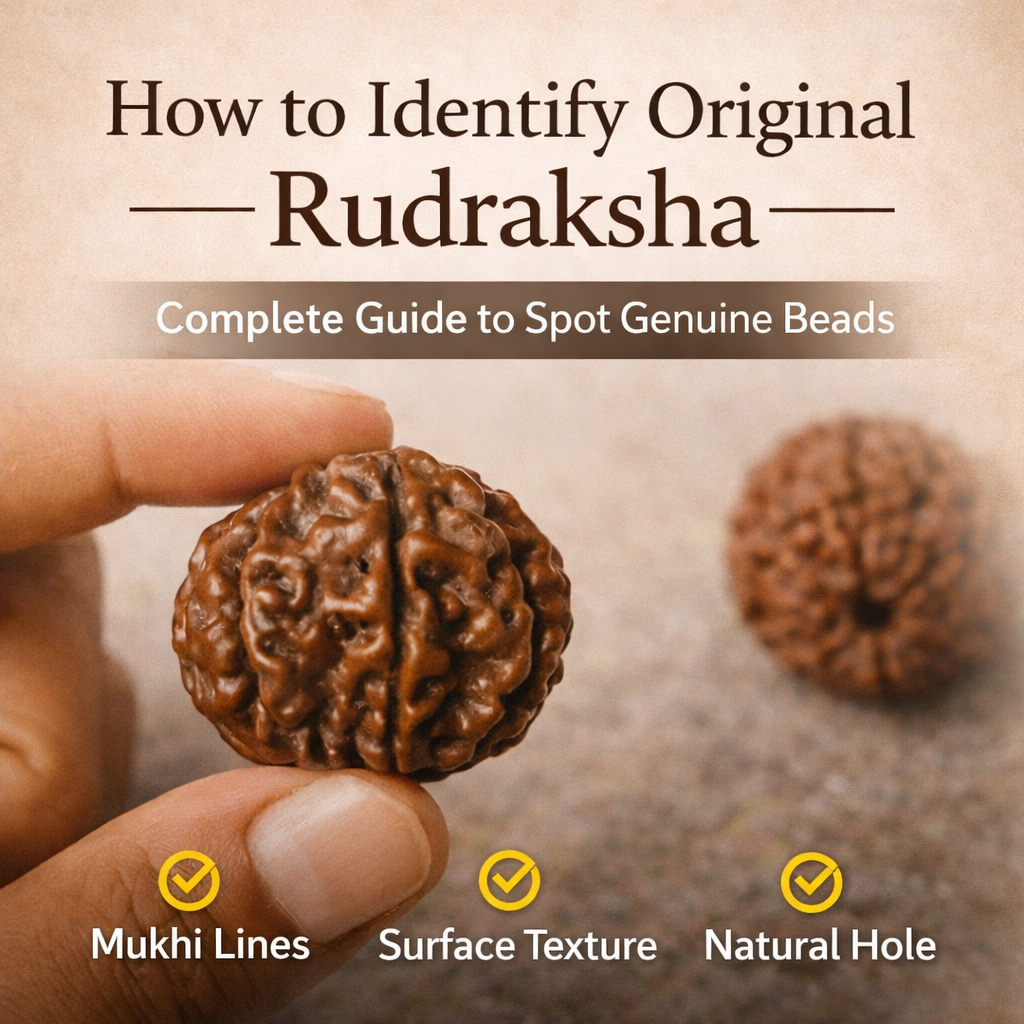
The 5 Mukhi Rudraksha is a widely recognised type of Rudraksha used in traditional devotional practice. It is commonly associated with Lord Shiva and is often chosen for mantra chanting and meditation.
It can be a practical option for someone who wants a Rudraksha to accompany a regular prayer routine on Sharad Purnima. This does not mean that it is uniquely prescribed for the festival or that wearing it will produce a guaranteed result.
Before purchasing a bead, check the product description, material details and seller information. Choose according to your spiritual practice and personal preference.
You can view the 5 Mukhi Rudraksha Nepali at Astro143. The product is an optional devotional accessory, not a required part of Sharad Purnima puja.
How to Include Rudraksha in Your Prayer Routine
- Sit comfortably in a quiet place after preparing for prayer.
- Hold your Rudraksha gently or wear it according to your usual tradition.
- Choose a prayer or mantra appropriate to your devotional practice.
- Chant slowly and keep your attention on the words and their meaning.
- Spend a few moments in quiet reflection after finishing.
Follow the handling and wearing guidance of your own spiritual tradition. You do not need to buy a new bead to celebrate Sharad Purnima. For other prayer accessories, explore the Astro143 sacred mala collection.
How Sharad Purnima Is Celebrated in Different Regions
In North India: Many families focus on the full moon, preparing kheer, offering prayers and observing family traditions. Some devotees worship Goddess Lakshmi, while Krishna devotees remember the Maha Raas.
In the Braj region: Sharad Purnima is closely connected with Lord Krishna's Raas Leela. Temples may hold devotional programmes, bhajans and special offerings.
In West Bengal and parts of eastern India: Kojagari Lakshmi Puja is an important observance associated with the full moon night. Families may decorate their homes, worship Goddess Lakshmi and remain awake for prayer.
In Gujarat: The occasion is widely known as Sharad Poonam. Community gatherings, devotional activities and regional celebrations may be part of the observance.
Regional customs can differ, so it is best to follow your family's tradition or local temple guidance.
Simple Ways to Observe Sharad Purnima Meaningfully
- Set aside time for prayer or quiet reflection.
- Prepare a traditional offering if it is part of your family custom.
- Read or listen to a devotional story associated with the festival.
- Practise gratitude and share food with loved ones.
- Use prayer beads or Rudraksha if they are already part of your spiritual routine.
- Follow safe food-handling practices when preparing kheer.
- Learn about the festival's regional traditions and share them with younger family members.
Frequently Asked Questions About Sharad Purnima
1. When is Sharad Purnima in 2026?
The main moonlit observance of Sharad Purnima in 2026 falls on Sunday, October 25. The Purnima tithi continues into the morning of October 26. Check a local Panchang for exact timings in your city.
2. Why is Sharad Purnima celebrated?
Sharad Purnima is celebrated as an auspicious full moon observance in Hindu traditions. It is associated with Goddess Lakshmi, Lord Krishna's Maha Raas, moonlight rituals and offerings such as kheer.
3. Why is kheer kept under the moonlight?
The practice comes from a traditional belief that the moonlight on Sharad Purnima has special, nectar-like qualities. Families may place kheer under the moonlight and later share it as prasad. The custom is religious rather than a scientifically proven food treatment.
4. Can I wear Rudraksha on Sharad Purnima?
Yes, if it fits your personal devotional practice. Rudraksha may be worn or used during prayer and meditation, but it is not compulsory for the festival.
5. Which Rudraksha can I choose for meditation?
The 5 Mukhi Rudraksha is commonly used in traditional prayer and meditation practices. Explore the 5 Mukhi Rudraksha Nepali at Astro143. Choose based on your practice and product information rather than guaranteed-benefit claims.
6. Is fasting compulsory on Sharad Purnima?
Fasting customs differ between families and regions. If fasting is not suitable for you, you can participate through prayer or other traditional observances.
7. What is the difference between Sharad Purnima and Kojagari Purnima?
The names are often used for the same full moon observance, although regional customs and emphasis may differ. Kojagari traditions often highlight night-time worship of Goddess Lakshmi, while Sharad Purnima is also associated with the full moon and Krishna's Maha Raas.
Conclusion
Sharad Purnima is a meaningful festival that brings together devotion, the autumn full moon, family traditions and spiritual reflection. From worshipping Goddess Lakshmi and remembering Lord Krishna to preparing kheer and sharing prasad, the observance offers many ways to connect with faith and community.
If Rudraksha is part of your spiritual routine, you may use it during prayer or meditation on this occasion. The 5 Mukhi Rudraksha is one traditional option, but no specific bead is compulsory for Sharad Purnima.
Explore the 5 Mukhi Rudraksha Nepali at Astro143, browse the Rudraksha collection, or visit Astro143 to explore more spiritual products and services.
Celebrate Sharad Purnima with devotion, gratitude and respect for the traditions that make the occasion special.



.png)