Pitru Paksha 2026: Meaning, Shraddha Vidhi, Tarpan, Rules & Importance
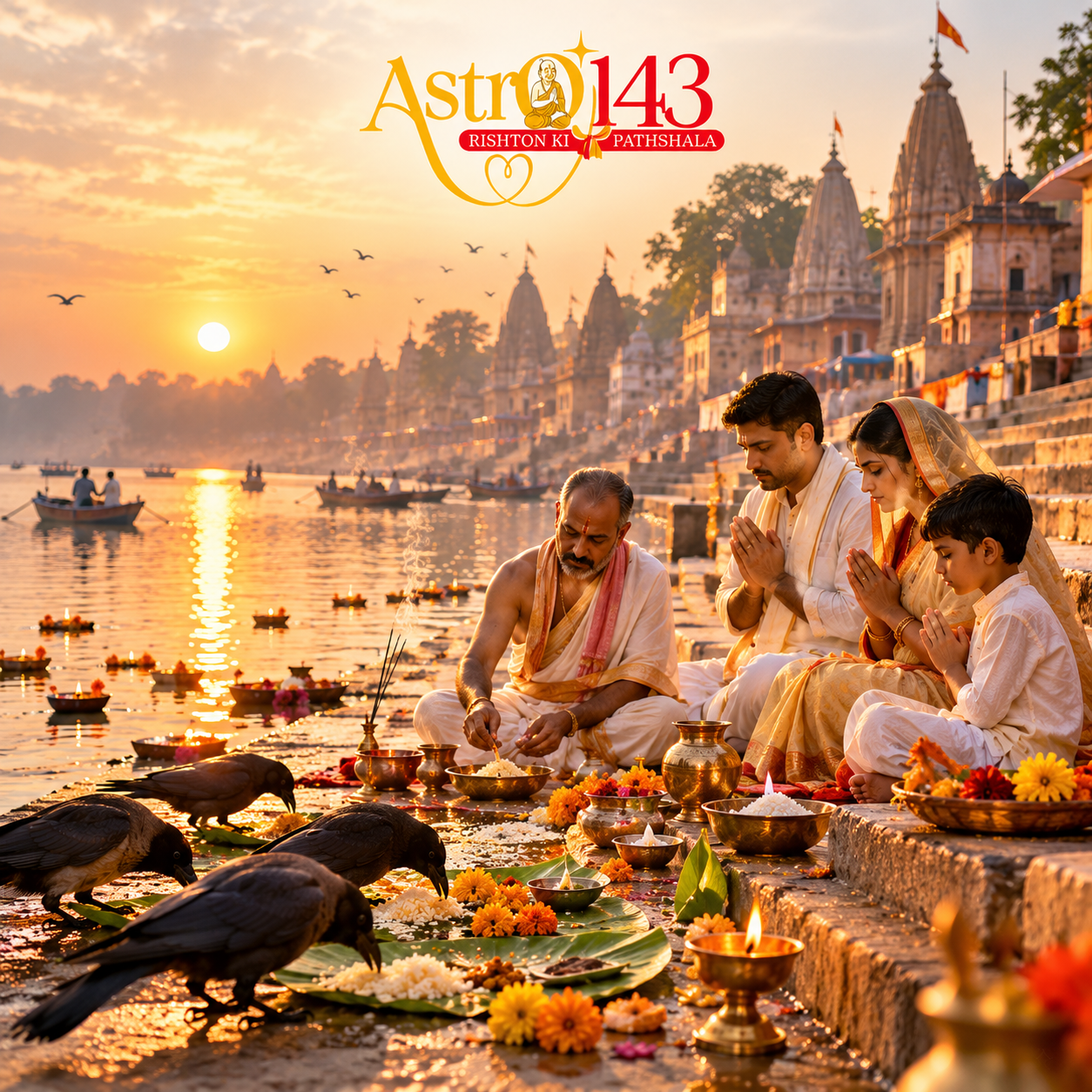
There are some traditions that connect generations even when people are no longer physically together. Pitru Paksha is one such period in Hindu tradition, when families remember their ancestors and perform rituals such as Shraddha and Tarpan.
It is not only about performing a ritual on a particular day. For many families, Pitru Paksha is a time to express gratitude, remember the people who came before them, and continue family traditions with respect and devotion.
In this guide, we will understand what Pitru Paksha means, when Pitru Paksha 2026 begins, what Shraddha and Pitru Tarpan are, how these rituals are traditionally performed, important practices to follow, and the significance of Sarva Pitru Amavasya.
What Is Pitru Paksha?
Pitru Paksha is a traditional period dedicated to remembering and paying respect to ancestors. It is observed during the Krishna Paksha of the lunar month associated with Ashwin in the North Indian Purnimanta calendar and with Bhadrapada in the South Indian Amanta naming system.
The observance includes different forms of Shraddha, Tarpan, food offerings and charity, depending on family tradition and the Tithi associated with the departed ancestor.
The central idea behind Pitru Paksha is remembrance and respect.
Families may use this period to remember parents, grandparents and other departed family members and perform traditional rituals in their honour.

When Is Pitru Paksha 2026?
According to current 2026 Panchang information, Pitru Paksha begins on September 27, 2026, with Pratipada Shraddha. The period continues through the Krishna Paksha and concludes with Sarva Pitru Amavasya on October 10, 2026.
The dates of individual Shraddha days are associated with different Tithis. Because Hindu lunar calendars and local Panchang calculations can differ, it is better to check the Tithi and local timing for your location before performing a specific ritual.
Why Is Pitru Paksha Important?
Remembering Family Members
Modern life can become busy, and family histories can easily be forgotten. Pitru Paksha creates a specific time to remember previous generations and their contribution to the family.
Continuing Family Traditions
Shraddha and Tarpan are often passed from one generation to another. Performing these rituals can help younger family members understand their family's spiritual and cultural traditions.
Expressing Gratitude
At its heart, the observance can be understood as an expression of gratitude and remembrance.
What Is Shraddha During Pitru Paksha?
The word Shraddha is commonly associated with performing ancestral rites with faith, respect and sincerity.
During Pitru Paksha, Shraddha may be performed according to the Tithi connected with the departed family member.
The exact procedure can vary based on regional traditions, family customs and the guidance of a knowledgeable priest.
For families looking for a structured spiritual service, Astro143 also has a dedicated Pitra Tarpan Shraddh service that can be explored as part of their ancestral ritual planning.
What Is Pitru Tarpan?
Pitru Tarpan is a traditional offering made in remembrance of ancestors. Water is an important part of Tarpan, and the ritual is performed with specific mantras, gestures and procedures according to the tradition being followed.
Tarpan is not simply about offering water. The intention, remembrance and respectful performance of the ritual are central to the practice.
The exact procedure can differ between traditions, so families should follow their customary method or seek guidance from a qualified priest.

Pitru Paksha Shraddha Vidhi
Step 1: Prepare a Clean and Peaceful Place
The ritual area should be clean and peaceful. Families traditionally prepare the required items before beginning the Shraddha or Tarpan.
Step 2: Remember the Ancestors
The ritual begins with remembrance of the departed family members for whom the offering is being performed.
Step 3: Prepare Traditional Offerings
Depending on the family's customs, food, water and other traditional items may be prepared as offerings.
Step 4: Perform Tarpan
Tarpan is performed as an offering associated with remembrance of the ancestors.
Step 5: Perform Shraddha According to the Tithi
If the family knows the Tithi on which an ancestor passed away, Shraddha is traditionally performed on the corresponding Tithi during Pitru Paksha.
Step 6: Food Offering and Charity
Many families include food offerings and charity as part of their Pitru Paksha observance.
What Should You Do During Pitru Paksha?
Remember your ancestors: Take time to remember departed family members and their contribution to the family.
Perform Shraddha: If your family follows the tradition, perform Shraddha according to the appropriate Tithi.
Perform Tarpan: Follow the traditional Tarpan procedure with proper guidance.
Offer food: Many families prepare and offer traditional food as part of the observance.
Give charity: Charity and helping others may also be included as part of the family's Pitru Paksha practice.
Pitru Paksha Rules and Traditional Practices
You may hear many different lists of Pitru Paksha rules. However, not every practice is followed in exactly the same way by every Hindu family.
Some customs commonly associated with the period include maintaining cleanliness, avoiding unnecessary celebrations and following the family's established Shraddha traditions.
The most important point is to understand why a practice is being followed rather than simply following a long list of restrictions.
What Is Sarva Pitru Amavasya?
Sarva Pitru Amavasya is the concluding Amavasya of Pitru Paksha and is traditionally considered an important day for ancestral remembrance.
It can be particularly relevant for families who do not know the exact Tithi associated with the death of an ancestor.
In 2026, Sarva Pitru Amavasya falls on October 10 according to the cited Indian calendar information. Local Panchang timings should be checked before performing the ritual.
Can You Perform Pitru Tarpan Online?
Today, many families live away from their ancestral homes or may not be able to arrange every part of a traditional ritual themselves.
Online Puja services can provide an option for families who want assistance with arranging a ritual remotely.
Astro143 lists Pitra Tarpan Shraddh among its spiritual services.
Common Questions About Pitru Paksha
Is Pitru Paksha only about Shraddha?
No. Shraddha is one important part of Pitru Paksha, but the period is also associated with Tarpan, remembrance, food offerings and charity according to family and regional traditions.
Can Shraddha be performed on any day during Pitru Paksha?
Traditional practice generally connects Shraddha with a specific Tithi associated with the departed ancestor.
What is the difference between Shraddha and Tarpan?
Shraddha is a broader ancestral ritual performed with faith and respect. Tarpan refers more specifically to offerings, traditionally including water, made as part of ancestral remembrance.
Is Sarva Pitru Amavasya important?
Yes. It marks the concluding Amavasya of Pitru Paksha and is traditionally observed for ancestral remembrance.
Conclusion
Pitru Paksha is more than a calendar period. For many families, it is a time to pause, remember their ancestors and express gratitude for the generations that came before them.
Shraddha, Tarpan, food offerings and charity are among the traditional practices associated with this period. The exact procedure can vary by region, family tradition and Tithi.
If you are planning your ancestral ritual during Pitru Paksha 2026, make sure you check the appropriate Tithi and local Panchang timing and follow the tradition that is relevant to your family.
For families who need assistance arranging a traditional ancestral ritual, you can also explore the Pitra Tarpan Shraddh service from Astro143.




.png)